Classic British Bakes Everyone Should Try: Timeless Recipes for Your Baking Collection
Classic British bakes have a charm that captivates both novice bakers and seasoned enthusiasts. From the crumbly texture of a shortbread biscuit to the rich layers of a traditional Victoria sponge, each recipe tells a story of British culture and culinary history. Exploring these delightful treats allows one to appreciate the simplicity and depth of British baking, making them must-tries for anyone interested in this delightful cuisine.
Among the most iconic bakes are the sticky toffee pudding and the beloved Bakewell tart, each offering a unique taste of Britain’s baking heritage. These recipes are not just popular; they have stood the test of time, becoming staples in households across the nation. With a little guidance, anyone can recreate these classics, bringing a taste of Britain to their own kitchen.
Whether it’s a rainy afternoon or a festive gathering, these bakes provide comfort and joy. Readers will find inspiration to try new recipes and perhaps even discover a newfound love for baking.
Foundations of Classic British Baking
Classic British baking is founded on a combination of essential ingredients, traditional techniques, and cultural influences. The rich heritage of British baking is evident in its beloved recipes and tools that have stood the test of time.
Essential Ingredients and Tools
Key ingredients in British baking include butter, sugar, flour, and eggs, which serve as the backbone for many bakes. Self-raising flour is often used to add lift, while bicarbonate of soda and baking powder are common leavening agents.
Caster sugar is preferred for its fine texture, making it ideal for cakes and meringues. Icing sugar is used for decorations and frostings, particularly in buttercream. Tools such as a spatula and palette knife are essential for mixing and spreading, ensuring a smooth finish.
Baking also utilises special ingredients like suet in traditional puddings and sponge mixtures for a light texture. Each contributes to the unique flavours and structures found in British baking.
Techniques and Traditions
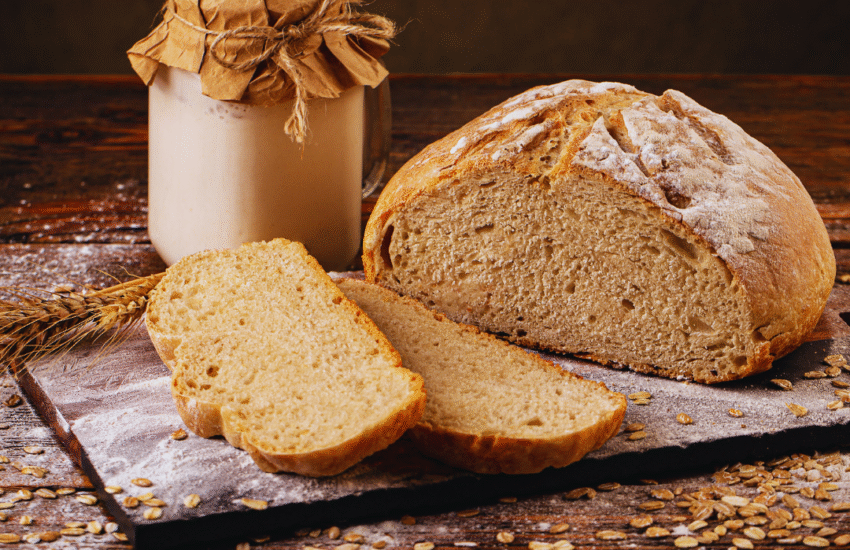
British baking traditions encompass various techniques, from creaming butter and sugar to folding in flour for lightness. The proving of dough is crucial for breads and yeasted treats, allowing for fermentation and texture development.
Cakes often feature layers, with buttercream or icing providing decoration and flavour. Techniques such as piping and smoothing frosting skillfully showcase the baker’s talent. Recipes are often passed through generations, embodying family traditions and historical significance.
The influence of televised competitions like the Great British Bake Off has revitalised interest in these traditional methods, encouraging a new generation of bakers to embrace time-honoured practices while also innovating.
British Baking Culture and Influence
British baking is rooted in the cultural significance of afternoon tea and festive celebrations. Iconic recipes like Victoria sponge and Battenberg cake are staples at these gatherings, highlighting the role of bakes in social settings.
Notable figures, such as Paul Hollywood, have helped popularise British baking globally. Their emphasis on quality and skill has inspired many to explore the depths of British baking heritage.
Historically, baking was a communal activity, fostering connections among families and communities. Today, this legacy continues, as individuals share recipes and baking experiences, ensuring that classic British bakes remain a vibrant part of culinary culture.
Must-Try Iconic Cakes and Sponges
British bakes include a variety of cakes and sponges, each with unique flavours and textures. The following highlights essential cakes, showcasing their distinct characteristics and why they deserve a place in any baking repertoire.
Victoria Sponge Cake
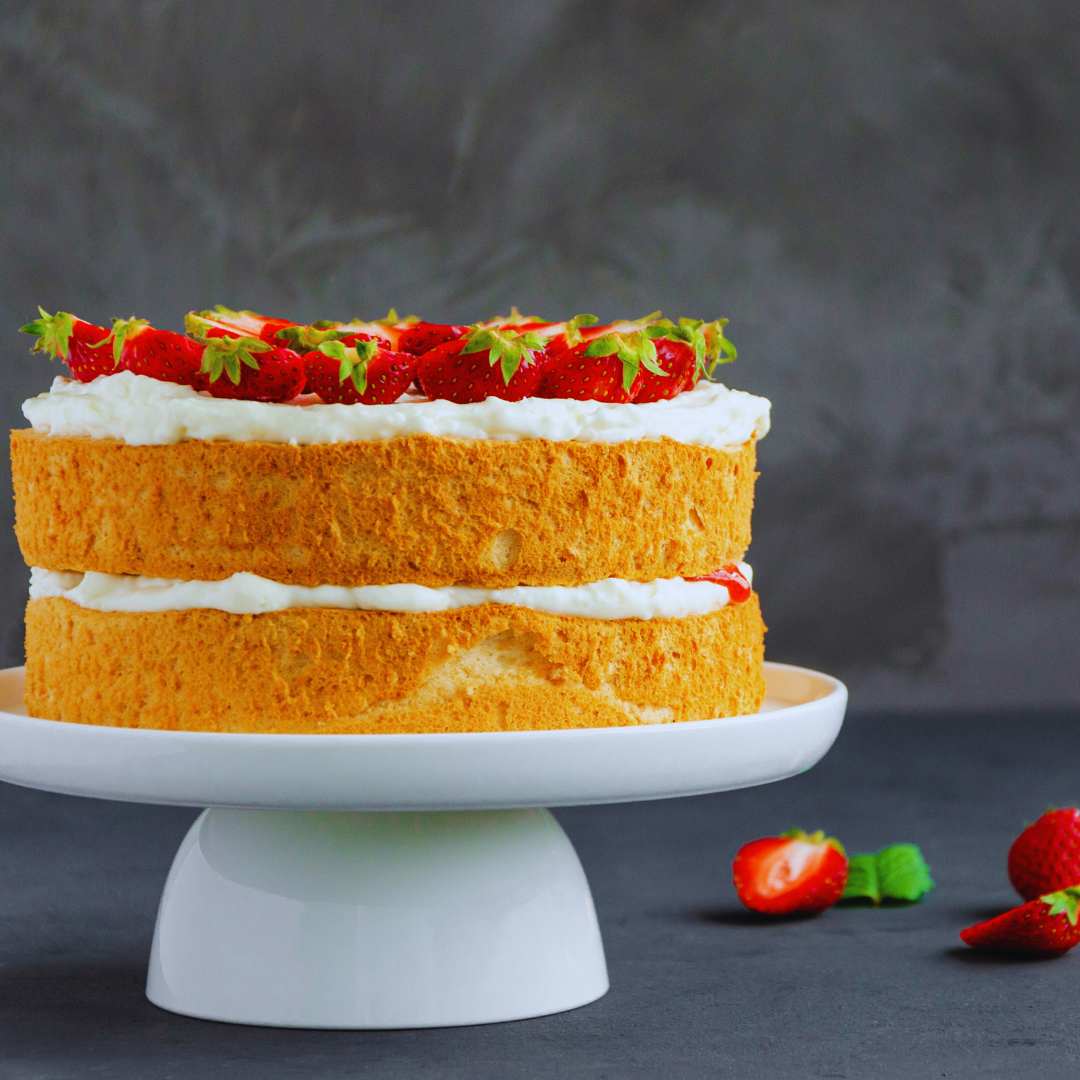
The Victoria Sponge Cake is a classic treat, named after Queen Victoria, who enjoyed it with her afternoon tea. Typically, it comprises two layers of light sponge, made from equal parts butter, sugar, eggs, and flour, ensuring a perfect rise.
The filling often features raspberry jam and a lavish layer of whipped cream, lending sweetness and texture. Sometimes, fresh strawberries are added to enhance flavour and presentation. Dusting the top with icing sugar creates an elegant finish, making it ideal for occasions or gatherings.
Lemon Drizzle Cake
Lemon Drizzle Cake offers a refreshing burst of citrus that invigorates the palate. This moist cake combines flour, sugar, butter, and eggs with zesty lemon juice and zest, creating a vibrant flavour profile.
Its signature feature is the sticky lemon syrup poured over the top once baked, which seeps into the sponge, ensuring each bite is packed with lemony goodness. Often served with a cup of tea, this cake is popular for its balance of sweet and tart, appealing to a wide audience.
Chocolate Cake Variations
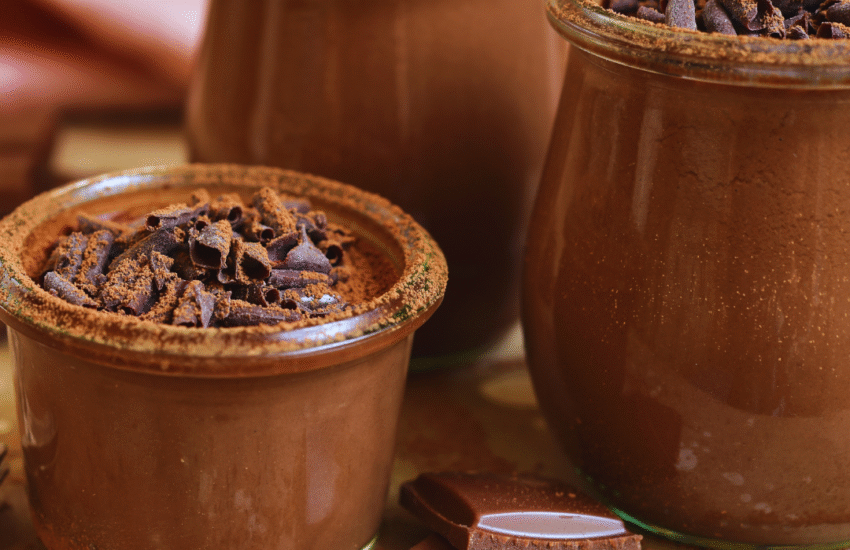
Chocolate cake comes in numerous variations, each with its own twist on the rich chocolate flavour. The simplest form is a classic chocolate sponge, light and airy, suitable for layering with rich chocolate ganache or buttercream.
More elaborate versions may include ingredients like coffee to enhance the chocolate taste or added textures such as nuts or fruits. Chocolate fudge cake and chocolate cherry cake are popular choices, offering decadence and indulgence. These cakes can be enhanced with whipped cream or served with ice cream, making them a versatile dessert option for any occasion.
Famous British Puddings, Pies, and Tarts
Britain boasts an array of delightful desserts, many of which have become iconic. These sweet treats, ranging from rich puddings to crisp tarts, reflect the country’s culinary heritage and love for indulgence.
Sticky Toffee Pudding
Sticky Toffee Pudding is a quintessential British dessert known for its rich, moist texture. Composed of a sponge cake made with finely chopped dates, it is drenched in a luscious toffee sauce.
Traditionally served warm, this pudding is often accompanied by vanilla ice cream or clotted cream. The contrast between the warm pudding and the cold cream enhances its appeal.
Classic recipes typically include ingredients such as dark brown sugar, butter, and flour. This well-loved dish originated in the Lake District and remains a favourite in British restaurants and homes alike.
Bakewell Tart and Bakewell Pudding
The Bakewell Tart and Bakewell Pudding both originate from the lovely town of Bakewell in Derbyshire. The tart features a shortcrust pastry base topped with an almond filling and often includes raspberry jam.
In contrast, the Bakewell Pudding consists of a puff pastry base with a rich almond sponge, sometimes topped with a layer of icing and a cherry.
Both versions celebrate almonds, which provide a distinct nutty flavour. The Bakewell Tart is typically finished with flaked almonds and jam, creating a visually appealing dessert that is as delightful to eat as it is to look at.
Banoffee Pie
Banoffee Pie is a modern British classic that combines bananas, toffee, and cream on a biscuit base. This dessert became famous in the 1970s and has been a popular choice ever since.
The base is usually made from crushed digestive biscuits mixed with melted butter. Layered with a thick toffee (made from condensed milk) and topped with sliced bananas, this pie offers a perfect balance of sweet and creamy textures.
A generous layer of whipped cream completes the dish, often garnished with cocoa powder or chocolate shavings. Its simplicity and deliciousness have made it a staple in British cafes and restaurants.
Crumble Favourites
Fruit crumble is another beloved British dessert, showcasing seasonal fruits topped with a buttery crumble mixture. Common fillings include apples, rhubarb, and berries, providing a comforting and seasonal treat.
The topping, consisting of flour, butter, and sugar, creates a delightful crunch that contrasts with the soft fruit underneath.
Crumble can be served warm, often accompanied by custard, cream, or ice cream. Variations exist, such as the addition of oats or nuts in the crumble for extra texture. This dish epitomises home-cooked warmth and is a beloved choice for family gatherings.
Beloved Biscuits, Traybakes, and Sweet Treats
Classic British baking features a delightful array of biscuits, traybakes, and sweet treats that are cherished for their flavour and nostalgia. These baked goods often combine simple ingredients, resulting in comforting desserts loved by many.
Shortbread and Butter Biscuits
Shortbread, with its rich buttery flavour, is a traditional Scottish biscuit enjoyed year-round. Made with just three ingredients—butter, sugar, and flour—shortbread offers a crumbly texture, perfect with tea. Variations include chocolate-dipped shortbread and herb-infused options, appealing to diverse palates.
Butter biscuits, or biscuits de Noël, are often flavoured with spices or citrus zest. Their sweet, crisp texture makes them perfect for festive occasions. Popular choices include iced party rings, which are adorned with colourful icing and sprinkles, making them a favourite among children and adults alike.
Flapjacks and Traybake Classics
Flapjacks are a wholesome treat made from oats, butter, and golden syrup. They provide a chewy texture and a comforting sweetness. Variations may include additions like nuts, dried fruit, or even chocolate chips for extra indulgence.
Traybakes encompass a variety of simple, crowd-pleasing desserts. Cornish pasties, though savoury, can also be sweet, using fruits or custards as fillings. Other classics include chocolate sponge traybakes, often topped with rich icing, and cheesecake traybakes, chilled to create a creamy texture that melts in the mouth.
Party Favourites and Contemporary Bakes
Party bakes often feature showstoppers like macaroons and choux pastries, which are elegant and visually striking. Macaroons can be filled with a range of flavours, from raspberry to pistachio, making them an attractive addition to any dessert table.
Contemporary bakes draw inspiration from tradition. Seasonal variations exist, such as Christmas pudding trays, bringing festive flavour into a more manageable format. Iced cakes and layered bakes add a modern twist to classic recipes while retaining their nostalgic essence.
Eton Mess and Other Summer Sweets
Eton Mess is a quintessential British dessert, combining fresh strawberries, meringue, and whipped cream. This light and refreshing treat is perfect for summer gatherings. It highlights the simplicity of British desserts, showcasing seasonal fruits.
Other delightful summer treats include strawberry pavlova and Victoria sponge cake, both of which celebrate the bounty of British berries. These desserts are enjoyed at picnics and garden parties, offering a sweet taste of summer in every bite.