Tips for Building a Simple Home Bar: Essential Steps for a Stylish Setup
Creating a simple home bar doesn’t require a large budget or a dedicated room. It involves choosing a few key ingredients, essential tools, and a practical setup that fits the available space. The key to building an effective home bar is focusing on versatility and ease of use while keeping the selection manageable.
Many people want a home bar that can serve a variety of drinks without being overwhelming. By selecting multipurpose spirits and basic equipment, anyone can craft a functional bar that caters to different tastes and occasions. This approach saves time and reduces clutter.
Whether working with a small corner or part of a kitchen counter, thoughtful organisation and minimalism ensure the bar is both attractive and practical. Clear guidance helps avoid common mistakes and builds confidence in mixing drinks at home.
Planning Your Simple Home Bar
Effective planning involves assessing space, function, and design to ensure the home bar fits the user’s needs. Clear decisions on location, bar type, and measurements set a solid foundation for building a practical and enjoyable bar area.
Choosing the Right Location
The first step is finding a space with enough room to work comfortably while keeping access simple. Ideal spots include corners of living rooms, unused dining areas, or part of a kitchen island. It should be near water access for easy cleaning, if possible.
Consider lighting and ventilation. Good lighting helps with preparation, while ventilation avoids any build-up of odours or heat. Avoid placing the bar in high-traffic areas to prevent congestion during social gatherings.
Storage needs also influence location choice. Areas near existing cabinetry or shelves make stocking and organising tools and bottles more straightforward.
Deciding on Bar Type: Stationary, DIY, or Bar Cart
Choices revolve around fixed or mobile solutions, depending on space and usage. Stationary bars offer permanence and usually more storage, but require dedicated space and installation.
DIY bars can range from simple pallet constructions to customised units tailored to exact room dimensions and style preferences. This option suits those who want control over materials and design.
Bar carts are mobile, making them ideal for small spaces or multi-use rooms. They require less setup but provide limited storage and preparation space. The cart style also allows easy repositioning depending on the occasion.
Measuring for Bar Height and Layout
Bar height impacts comfort and functionality. Standard bar counters measure about 110 cm (43 inches) tall, suitable for bar stools and standing guests alike. Ensure stools match this height for ergonomic seating.
The layout depends on the available width and depth of the space. A depth of at least 45-60 cm (18-24 inches) allows preparation and serving room. The width should accommodate tools, bottles, and glassware without overcrowding.
Consider clearance behind the bar for movement—typically, 75 cm (30 inches) is recommended to provide enough space for the bartender. Using a tape measure and sketching the intended setup helps avoid layout issues during building.
Essential Fixtures and Furniture
Creating a functional home bar requires attention to seating, surface area, storage, and lighting. Each element plays a role in comfort, usability, and atmosphere.
Selecting Bar Stools for Comfort and Style
Bar stools should match the height of the bar stand or table to provide ergonomic seating. For standard bar height (around 105 cm), stools with a seat height of 75–80 cm suit best.
Comfort features to consider include padded seats, backrests, and footrests. Materials like wood, metal, or upholstered options influence durability and design. Choosing stools with swivel or adjustable height functions adds versatility.
Style should complement the room’s décor, whether modern, rustic, or minimalist. Selecting bar stools that balance comfort and aesthetics improves the overall user experience.
Choosing a Functional Bar Stand or Table
The bar stand, or table, is a central fixture and should suit the available space and intended use. Height is crucial — the typical bar height is 102–107 cm, which facilitates standing and stool seating.
Materials such as solid wood, glass, or metal offer different looks and maintenance needs. A compact bar cart can be a practical alternative for small spaces, enabling mobility and additional storage.
Stability and surface area matter. The top should provide enough room for drinks and accessories, while the frame needs to be sturdy enough to handle regular use.
Incorporating Smart Storage Solutions
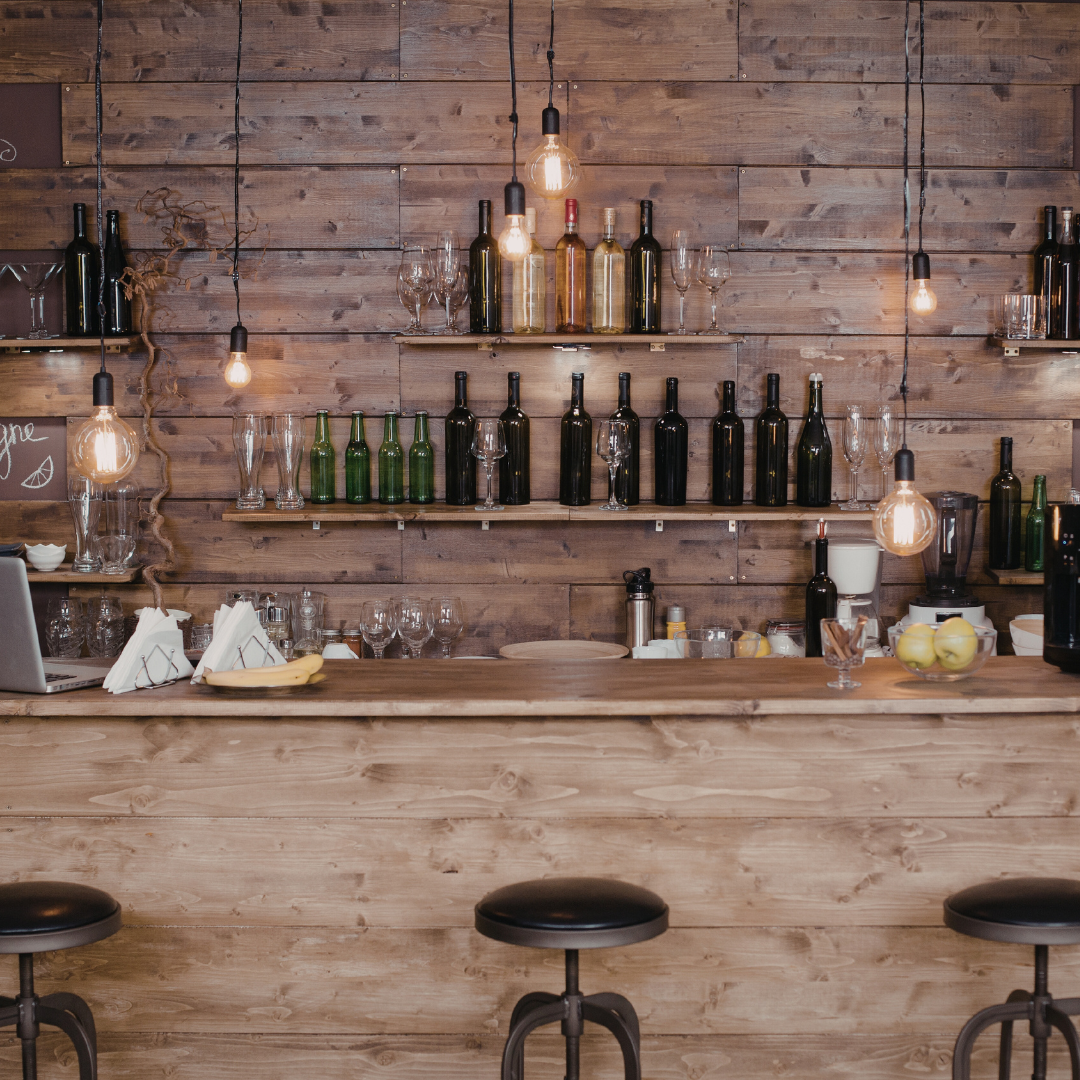
Effective storage keeps the bar organised and accessible. Installing shelves or racks for bottles and glassware utilises vertical space efficiently.
A bar cart with compartments for spirits, mixers, and tools helps to keep essentials close at hand and allows easy movement between rooms.
Magnetic strips or hooks for bar tools maximise functionality without clutter. Closed cabinets or drawers are useful for hiding less attractive items or fragile glassware safely.
Integrating Practical Lighting
Lighting should balance brightness and ambience to suit different occasions. LED strip lights under shelves create a subtle glow, highlighting bottles and glassware.
Adjustable overhead fixtures or pendant lights placed directly above the bar provide focused task lighting for mixing drinks.
Warm white bulbs (2700K–3000K) create a welcoming atmosphere. Avoid harsh, cool light that can feel clinical. Dimmers add control over brightness, adapting the mood as needed.
Stocking and Styling Your Bar
Selecting the right items shapes the functionality and appearance of a home bar. Key elements include appropriate glassware, the right tools, and useful accessories for serving and chilling drinks effectively. Style choices focus on both convenience and guest experience.
Must-Have Glassware: Tumblers and Wine Glasses
Tumblers are essential for serving a wide variety of drinks such as spirits, cocktails, and non-alcoholic beverages. Opt for sturdy, medium-weight tumblers with a capacity of 200-300ml to suit most mixed drinks and neat pours.
Wine glasses vary depending on wine type, but a basic collection should include red and white wine glasses. Red wine glasses typically have a larger bowl to allow the wine to breathe. White wine glasses have a narrower bowl to preserve the cooler temperature.
Storing glassware visibly can add style, while keeping frequently used pieces within easy reach improves practicality. A simple glass rack or open shelving works well for both.
Essential Tools and Accessories
A functional home bar requires specific tools to prepare drinks accurately and efficiently. The key items include a cocktail shaker, muddler, bar spoon, jigger, and bottle opener.
A stainless steel cocktail shaker with a built-in strainer is versatile for many recipes. The muddler is necessary for crushing herbs or fruit in cocktails like mojitos. A bar spoon with a long handle aids in stirring and layering drinks.
Measuring with a jigger ensures consistent proportions. Accessories such as coasters and drink stirrers improve service quality and guest experience while maintaining bar cleanliness.
Adding an Ice Bucket and Serving Pieces
An ice bucket is a practical addition that keeps ice accessible and prevents mess or premature melting. Choose an insulated bucket made of stainless steel or acrylic with tongs for hygiene.
Serving pieces like small plates or trays help organise garnishes, snacks, or glassware. These pieces can be matched to the bar’s style, combining utility with aesthetic appeal.
Keeping ice and serving items handy streamlines drink preparation and encourages a neat and inviting bar area.