How to Use Herbs and Spices for Bold Flavours: Expert Tips for Enhancing Every Dish
Using herbs and spices effectively can transform a simple dish into something memorable. They add depth, complexity, and bold flavours that elevate everyday cooking. The key to using herbs and spices for bold flavours is knowing when and how to add them to release their full potential.
Understanding the difference between fresh and dried herbs, as well as the timing of when to incorporate spices, can change the outcome of a recipe. Some spices benefit from toasting first, while fresh herbs often shine better when added at the end. This knowledge allows cooks to create well-balanced and vibrant meals.
By mastering these techniques, anyone can confidently experiment with herbs and spices to suit their taste. This approach ensures the boldness enhances rather than overpowers the dish.
Essential Principles of Using Herbs and Spices for Bold Flavours
Using herbs and spices effectively requires understanding their unique characteristics, forms, and the best ways to incorporate them into dishes. Mastery over these principles ensures bold, well-balanced flavours without overpowering the main ingredients.
Difference Between Herbs and Spices
Herbs come from the leafy parts of plants, while spices originate from seeds, bark, roots, or fruit. For example, basil and parsley are herbs; cinnamon and cumin are spices.
Herbs typically offer a delicate, fresh flavour. Spices, particularly when whole, provide concentrated and robust taste. Ground spices release flavour faster but lose intensity sooner than whole spices.
In cooking, herbs often serve as a flavour base or garnish, whereas spices can create warmth, heat, or complexity. Recognising these differences helps in layering flavours effectively.
Choosing Between Fresh and Dried Forms
Fresh herbs deliver bright, vibrant flavours and are best added near the end of cooking to preserve their aroma. Dried herbs have concentrated flavours suited for longer cooking times, allowing gradual release.
Dried herbs and ground spices are shelf-stable but lose potency over time. Fresh herbs, although perishable, impact dishes with a lighter, more nuanced taste.
Choosing the right form depends on the recipe and cooking duration. For example, dried rosemary works well in slow-cooked stews, while fresh coriander is ideal for finishing salads.
Timing and Methods of Adding to Dishes
Whole spices should be toasted or fried early in cooking to release essential oils, enhancing warmth and depth. Ground spices are best added later to avoid bitterness.
Fresh herbs are usually added at the end to maintain flavour clarity. Dried herbs benefit from longer simmering to fully develop aroma.
Using herbs and spices strategically—such as marinating with spices or stirring in chopped fresh herbs just before serving—maximises their impact without overpowering the dish.
Popular Herbs and Spices to Transform Your Cooking
Bold flavours often come from carefully chosen herbs and spices that enhance dishes with a distinct aroma and taste. This selection highlights essential ingredients that bring depth and character to a wide range of cuisines.
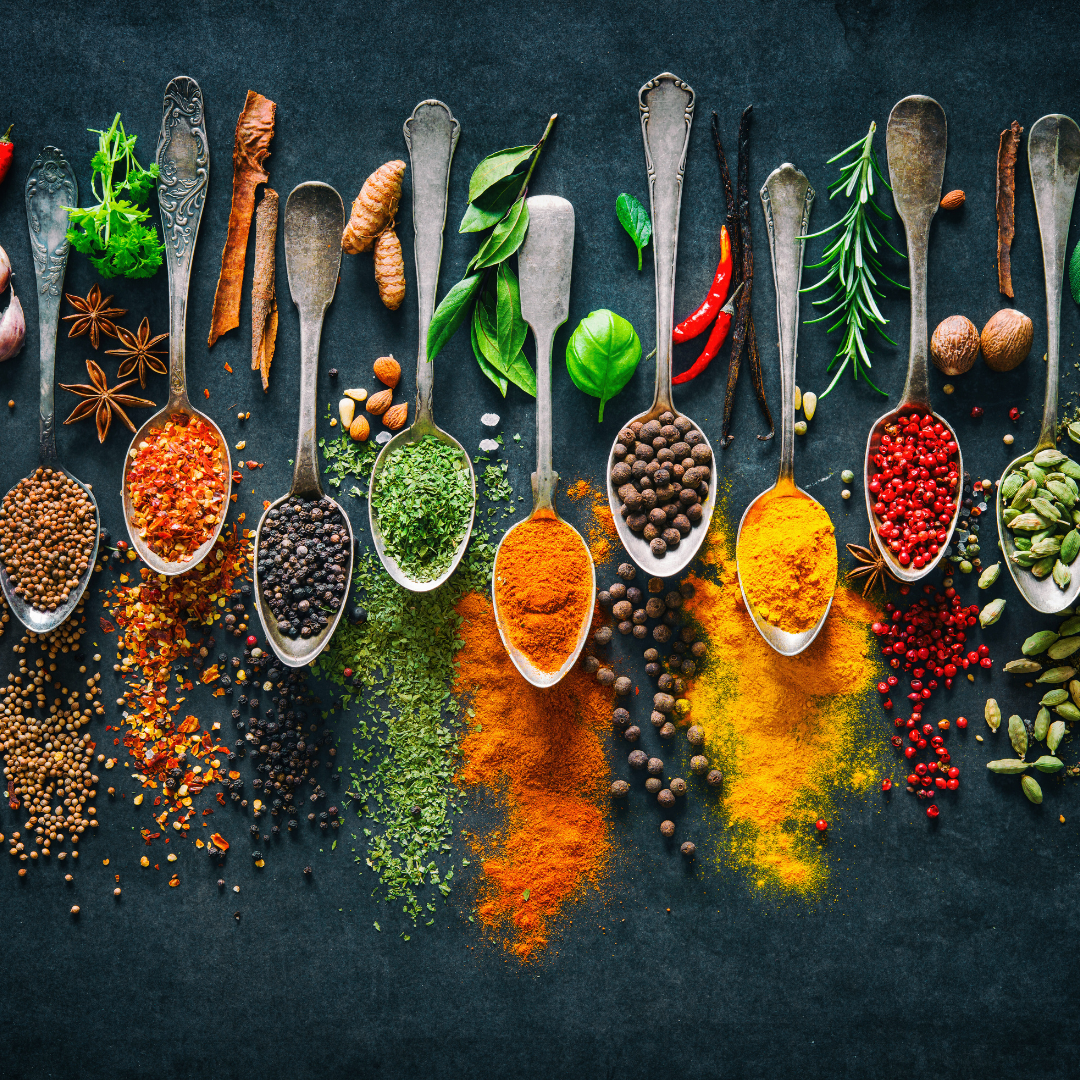
Key Herbs for Robust Flavour: Basil, Parsley, Oregano, Thyme, Rosemary, Mint, Coriander, Cilantro
Basil offers a sweet, slightly peppery kick, ideal for Italian and Mediterranean dishes. Parsley adds a fresh, mild bitterness that balances rich foods. Oregano provides a warm, slightly bitter earthiness, commonly used in Greek and Italian cooking.
Thyme is subtle yet woody, excellent for slow-cooked meats and stews. Rosemary delivers a pine-like aroma, perfect for roasted lamb or potatoes. Mint brings cooling freshness, often paired with lamb or used in drinks.
Coriander seeds have a lemony warmth, differing from fresh cilantro leaves, which are bright and citrusy. Cilantro is a staple in Mexican and Asian cooking, imparting a distinctive, vibrant flavour.
Must-Have Spices: Cumin, Paprika, Black Pepper, Cinnamon, Cardamom, Turmeric, Cloves, Ginger, Nutmeg, Mustard Seed, Cayenne, Bay Leaves, Star Anise, Fennel
Cumin lends a nutty, earthy base to curries and spice blends. Paprika, including smoked varieties, ranges from sweet to smoky heat, essential in Hungarian and Spanish dishes. Black pepper enhances nearly every savoury dish with mild heat and pungency.
Cinnamon and cardamom contribute warm, sweet notes to both sweets and savoury recipes, common in Middle Eastern and Indian cuisines. Turmeric offers a subtle bitterness and vibrant colour, prevalent in curries.
Cloves and nutmeg are potent spices used sparingly for depth. Ginger adds sharp, spicy warmth and freshness. Mustard seed introduces a piquant, tangy flavour, often toasted or ground.
Cayenne delivers intense heat, bay leaves provide a subtle herbal background, while star anise and fennel add liquorice-like sweetness, often used in slow cooking or braising.
Highlighting Signature Spice Blends
Signature blends like garam masala combine cinnamon, cardamom, cloves, and cumin for complex Indian flavour layers. Ras el hanout is a North African mix, blending spices like turmeric, cinnamon, and star anise to create floral, spicy notes.
Using these blends simplifies adding layered spice profiles to dishes. They balance heat, sweetness, and earthiness, making them essential for authentic, bold cuisine without using multiple individual spices.
Mastering Flavour Pairing and Layering Techniques
Understanding how to combine herbs and spices with different ingredients can deeply enhance the complexity of dishes. Creating balance and contrast ensures each flavour stands out while complementing others. Regional traditions and classic pairings offer reliable flavour frameworks, especially when working with unfamiliar spices or ingredients.
Balancing and Enhancing with Complementary and Contrasting Combinations
Balancing herbs and spices revolves around combining flavours that either amplify each other or provide contrast. For example, pairing sweet spices like cinnamon with earthy spices such as cumin adds warmth while preserving depth. This method works well with dishes like roasted vegetables, where sweetness and earthiness coexist.
Contrasting flavours prevent a dish from becoming one-dimensional. Spices with bright, sharp notes, such as coriander seeds, can cut through heavy or creamy bases, enhancing overall flavour. Using this approach, cooks can layer subtle heat, sweetness, and bitterness for dynamic results.
Creating harmony involves understanding dominant flavour profiles and adjusting intensity. Overpowering spices should be tempered with more neutral herbs or mild ingredients like couscous to maintain balance.
Regional Traditions and Classic Pairings
Middle Eastern cuisine exemplifies effective spice pairing, often blending coriander seeds with cinnamon, cumin, and sumac. These combinations balance sweet and earthy notes, ideal for dishes like lentil stew or roasted vegetables.
Classic pairings provide a reliable starting point. For instance, rosemary and thyme naturally pair with roast meats and vegetables due to their piney and earthy tones. These traditional blends showcase how regional preferences influence flavour layering.
Beyond tradition, experimenting within these frameworks allows for innovation while respecting established flavour relationships. This helps maintain authenticity and introduces bold, balanced variations.
Pairing Herbs and Spices with Specific Ingredients
Different ingredients respond uniquely to herbs and spices. Lentils, for example, benefit from earthy spices like cumin and coriander seeds, which enhance their natural nuttiness without overpowering their texture. Adding mild herbs such as parsley can lighten the dish.
Couscous, with its neutral profile, acts as a canvas for bold spices. Incorporating spices like smoked paprika or turmeric alongside fresh herbs can create contrast and elevate simple meals.
Roasted vegetables work well with sweet spices like cinnamon or nutmeg, combined with earthy spices to create a rich, complex flavour. Adjusting the layering sequence—adding certain spices before roasting and others after—can maximise aromatic impact.
Practical Tips for Storage, Preparation, and Health Benefits
Proper handling of herbs and spices preserves their flavour and maximises culinary impact. Storage conditions influence potency, while preparation methods affect texture and aroma. Incorporating these ingredients also offers specific health advantages linked to their natural compounds.
Proper Storage Methods and Equipment
Herbs and spices last longest when kept in airtight containers away from heat, light, and moisture. A cool, dark cupboard or a spice rack in a shaded area is ideal. Avoid storing near ovens or windows, as heat and sunlight degrade essential oils.
Dried spices should be stored whole when possible and ground just before use to retain flavour. Fresh herbs are best kept wrapped in damp paper towels and placed inside a sealed container in the fridge to maintain freshness.
Label containers with purchase or grind dates. Typically, ground spices remain potent for 6-12 months, while whole spices can last up to 2 years. Regular checks for aroma and colour help determine usability.
Techniques for Preparing Herbs and Spices
Preparation influences how herbs and spices release flavour during cooking. Crushing or grinding spices enhances oil release, boosting intensity; however, this should generally be done shortly before use to avoid flavour loss.
Fresh herbs like parsley and coriander are often added at the end of cooking to preserve their brightness. Robust herbs such as rosemary or thyme withstand longer cooking times.
To unlock full flavour, dry spices may be toasted briefly in a dry pan before grinding. This intensifies their aroma and adds complexity. When using dried herbs, grinding finely distributes flavour more evenly in dishes.
Health Advantages of Incorporating Herbs and Spices
Many herbs and spices contain bioactive compounds with antioxidant, anti-inflammatory, and antimicrobial properties. For example, turmeric contains curcumin, which is studied for its anti-inflammatory effects.
Cinnamon can support blood sugar regulation, while garlic is linked to cardiovascular benefits. Using fresh herbs like basil and mint adds vitamins and minerals with minimal calories.
Regularly including these ingredients in meals can aid digestion and enhance overall wellness. Their natural compounds provide health benefits without the side effects of synthetic additives.