Cooking Tips That Elevate Everyday Meals for Effortless Home Dining Success
Everyday meals don’t have to be ordinary. Simple cooking techniques and small adjustments can improve flavour, texture, and presentation without adding extra time or effort.
Using fresh ingredients, balancing seasoning, and being mindful of cooking times are key tips that elevate everyday dishes. These strategies help bring out the best in common recipes, turning routine meals into something more enjoyable.
With practical advice and easy-to-apply methods, anyone can enhance their cooking skills and make daily meals more satisfying. This guide offers straightforward tips designed to improve results with minimal fuss.
Essential Ingredients That Elevate Everyday Meals
Understanding the impact of core ingredients can transform simple dishes into memorable meals. Using the right fresh elements, such as herbs, onions, and garlic, alongside selecting quality produce, leads to enhanced flavour and depth in cooking.
The Power of Fresh Herbs
Fresh herbs add vibrant aroma and distinct flavours that dried herbs cannot replicate. Ingredients like basil, coriander, and parsley introduce brightness that lifts salads, sauces, and soups.
They should be added at the end of cooking or as a garnish to preserve their delicate oils and freshness. Chopping herbs finely releases more flavour, but avoid bruising them, which can make the taste bitter.
Storing herbs properly—wrapped in damp paper towels inside the fridge—extends their lifespan. Using fresh herbs regularly encourages complex taste profiles without relying on salt or heavy spices.
Maximising Flavour with Onions and Garlic
Onions and garlic form the flavour base of many dishes due to their natural sweetness and pungency. Slowly sautéing onions until golden caramelises their sugars, creating a richer background note.
Garlic should be finely minced or crushed to release its essential oils, but cooked gently to avoid bitterness. Adding garlic too early on high heat can result in a burnt, acrid taste.
Using different onion varieties—red, white, or shallots—provides subtle flavour variations. Both onions and garlic benefit from being fresh and firm, as aged bulbs lose pungency and texture.
Selecting the Best Fresh Ingredients
Quality fresh ingredients deliver the foundation for any elevated meal. Look for firm textures, vibrant colours, and minimal blemishes when choosing vegetables and herbs.
Seasonal produce offers peak flavour and better nutritional value. Whenever possible, buying locally grown fresh ingredients can increase taste and reduce environmental impact.
Washing ingredients just before use preserves freshness, preventing wilting or mould. Avoid pre-cut or packaged produce as it tends to degrade faster and may lack the same intensity of flavour.
Mastering Seasoning and Flavour Profiles
Understanding how to balance seasonings and use fresh herbs can transform simple dishes. Carefully chosen flavour combinations create meals that are both interesting and satisfying without overpowering the base ingredients.
Balancing Seasonings for Depth
Balancing seasoning starts with salt, which enhances natural flavours. It’s essential to add salt gradually, tasting frequently to avoid over-seasoning. Pepper should complement salt by adding mild heat and complexity rather than dominating the dish.
Acidity plays a crucial role in layering flavour. Ingredients like lemon juice, vinegar, or yoghurt can brighten dishes and cut through richness. Sweetness from honey or sugar balances bitterness or acidity when used sparingly.
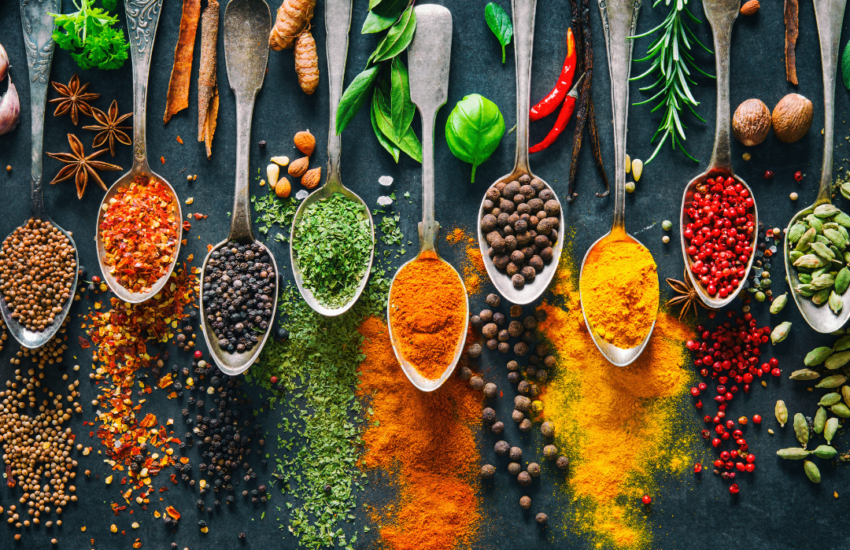
Spices like cumin, paprika or coriander add warmth and depth but need careful measure to prevent masking other flavours. Layering seasonings by adding some early in cooking and adjusting towards the end maintains complexity.
Using Basil and Dill for Enhanced Taste
Basil offers a sweet, peppery note with hints of mint and anise. It pairs well with tomatoes, garlic, and olive oil, enhancing Mediterranean dishes. Fresh basil should be added at the end of cooking to preserve its aroma.
Dill provides a fresh, slightly tangy flavour with a delicate herbal quality. It complements fish, potatoes, and creamy sauces well. Dill is best used both fresh and sparingly to avoid bitterness, particularly in dressings and dips.
Both herbs impact the overall flavour profile by adding brightness and complexity without heaviness. Using them thoughtfully elevates dishes by introducing subtle contrasts in taste and aroma.
| Herb | Key Flavour Notes | Best Uses | Timing to Add |
| Basil | Sweet, peppery, minty, anise | Tomato-based dishes, salads | End of cooking |
| Dill | Tangy, fresh, slightly bitter | Fish, potatoes, creamy sauces | Fresh, just before serving |
Transformative Cooking Techniques for Everyday Dishes
Certain cooking methods change the flavour and texture of ingredients significantly. These techniques can turn simple meals into satisfying, complex dishes with minimal extra effort.
Roasting for Intense Flavour
Roasting caramelises the natural sugars in vegetables and meats, producing a deep, intense flavour. Using a hot oven (usually 180-220°C) develops a crispy exterior while keeping the inside tender and moist.
To maximise flavour, toss vegetables or meat in a small amount of oil and season well. Arrange items evenly on a roasting tray to ensure consistent cooking.
For best results, avoid overcrowding the pan to allow air circulation. Roasted garlic, root vegetables, or chicken can be used as bases or add-ons to elevate ordinary meals quickly.
Embracing Slow Cooking for Richness
Slow cooking softens tougher cuts of meat and allows flavours to meld gradually. Using low heat over several hours, such as in a slow cooker or a low oven, extracts richness without drying out food.
Stews, braises, and casseroles benefit most from this method, developing deeper, more complex tastes. Ingredients like onions, herbs, and stock break down, creating a naturally thick, flavourful sauce.
This technique also offers convenience, as dishes can cook unattended. Slow cooking helps stretch inexpensive ingredients into hearty meals with satisfying textures.
Employing Pro Cooking Techniques
Professional cooking techniques like deglazing, blanching, and sous vide can enhance everyday cooking. Deglazing a pan with stock or wine picks up browned bits to enrich sauces quickly.
Blanching vegetables in boiling water before sautéing preserves colour and texture. Sous vide cooking applies precise, low temperatures for evenly cooked proteins with strong flavour retention.
Incorporating these methods adds control and refinement without vastly increasing preparation time, allowing home cooks to lift simple dishes with restaurant-level techniques.