How To Organise A Kitchen For Efficient Cooking: Optimising Space And Workflow
Organising a kitchen for efficient cooking revolves around optimising space and accessibility. The key is to arrange tools, utensils, and ingredients so they are within easy reach during meal preparation. This reduces unnecessary movement and saves time.
A well-organised kitchen groups similar items together, such as keeping pots near the stove and knives close to the chopping area. Clear storage solutions and designated zones help maintain order and improve workflow.
Anyone can improve their kitchen’s efficiency by evaluating their cooking habits and adjusting the layout accordingly. Small changes can make daily cooking smoother and less stressful.
Planning Your Kitchen for Efficiency
Designing an efficient kitchen depends on understanding how space, workflow, and dedicated areas affect cooking speed and ease. Organising appliances, tools, and ingredients to support natural movement can reduce wasted steps and increase productivity.
Assessing Your Current Kitchen Layout
The first step is to evaluate the existing kitchen setup. Identify where each major appliance sits and how close they are to one another. The work triangle—between the stove, sink, and fridge—should be compact but unobstructed, minimising movement.
Look for cluttered or underused areas. Check if drawers and cupboards open fully without blocking access or workspace. Note any repetitive trips across the kitchen that could be avoided with better placement of tools and ingredients.
Understanding Kitchen Workflow and Movement
Tracking typical cooking routines reveals movement patterns. Most cooking starts with ingredient gathering, followed by preparation, then cooking, and finally cleaning. Each stage requires specific tools and a logical flow between zones.
An efficient kitchen allows seamless transitions between these stages without backtracking. For example, placing chopping boards near the fridge and knives in a preparation drawer reduces travel distance. Clear counter space near the stove helps streamline cooking and plating.
Creating Zones for Meal Preparation
Organising the kitchen into distinct zones improves efficiency. Common zones include:
- Storage zone: For dry goods, canned items, and frequently used ingredients.
- Preparation zone: Equipped with cutting boards, knives, and mixing bowls near the sink.
- Cooking zone: Around the stove and oven with pots, pans, utensils, and spices.
- Cleaning zone: Near the sink with detergents, sponges, and drying racks.
Label shelving or drawers to keep items consistent. This system reduces time spent searching and improves workflow during meal prep.
Adapting Organisation for Small Kitchens
Small kitchens require maximising every inch of space. Vertical storage solutions like wall-mounted racks and magnetic strips free up counter space. Utilising multi-purpose tools and stackable containers also helps.
Clear zones can be smaller but must remain functional. Compact preparation areas should be positioned close to necessary appliances. Foldable or slide-out counters can temporarily increase work space without cluttering the kitchen. Prioritising frequently used items over rarely needed cookware keeps the kitchen organised and accessible.
Kitchen Decluttering and Essentials
An efficient kitchen starts with clear priorities and simplification. Focusing on the most used tools and essentials keeps the space functional and easy to navigate. Removing clutter allows better access and reduces time spent searching for items.
Streamlining Kitchen Tools and Gadgets
He should evaluate every kitchen tool and gadget to decide if it serves a frequent, practical purpose. Tools like chef’s knives, measuring cups, and spatulas are core items. Gadgets should be limited to those that speed up cooking or improve results, such as food processors or electric kettles.
Small appliances like blenders and toasters must fit daily needs. Multipurpose equipment reduces clutter by replacing separate single-use gadgets. Keeping tools organised in designated drawers or on magnetic strips also helps visibility and access.
Prioritising Kitchen Essentials
Cooking tools and essentials should reflect the types of meals regularly prepared. Prioritising high-quality knives, reliable pans, and accurate measuring tools aids cooking efficiency. He should keep baking and speciality utensils only if often used.
Staples such as mixing bowls, cutting boards, and reusable storage containers should be easily accessible. Grouping similar items together, for example, all baking tools in one drawer, encourages quick retrieval and return after use.
Removing Unused and Redundant Items
He needs to frequently purge items that haven’t been used in months. Duplicate kitchen tools or expired food containers create unnecessary clutter and take up valuable space. Identifying rarely used gadgets and donating or recycling them is recommended.
Sometimes bulky appliances are replaced by smarter, more compact models. Clearing out redundant pieces opens room for essential items and reduces distraction from workflow, improving overall cooking speed and satisfaction.
Smart Storage Solutions and Organisation Systems
Efficient kitchen organisation relies on utilising every inch of space with practical tools. These solutions help keep items accessible and reduce clutter by grouping related objects together and making storage adjustable.
Maximising Storage with Shelf Risers and Pull-Out Racks
Shelf risers create extra vertical space inside cabinets by doubling storage layers. They work well for plates, mugs, and canned goods, making items on lower shelves visible and reachable.
Pull-out racks attach inside cabinets or pantries, allowing shelves to slide out smoothly. This solution improves access to deep storage areas, especially for pots, pans, and pantry staples. It prevents stacking items behind one another, which often leads to forgotten food and wasted time.
Both tools support modular organisation and can be combined to increase utility in limited kitchen spaces.
Utilising Drawer Dividers and Pegboards
Drawer dividers segment drawers into smaller compartments, ideal for organising cutlery, utensils, and small gadgets. This reduces the time spent searching and prevents items from shifting during drawer movement.
Pegboards offer adaptable wall storage by hanging frequently used tools and utensils. Hooks and shelves can be rearranged to fit changing needs. Pegboards clear countertop space while keeping necessary items within sight and easy reach.
Together, these systems enhance orderliness and improve workflow in busy kitchens.
Organising with Stackable Containers
Stackable containers maximise shelf space by allowing items to be piled vertically without toppling. Clear, labelled containers make it easy to identify contents at a glance.
They are ideal for storing dry goods like grains, nuts, and snacks, maintaining freshness and preventing spills. Uniform shapes and sizes improve stability and can be arranged efficiently in cupboards or refrigerators.
Using airtight containers further protects food quality and contributes to a streamlined, organised storage system.
Setting Up Zones for Cooking, Preparation, Cleaning, and Storage
Efficient kitchens divide tasks into distinct areas, streamlining movement and reducing clutter. Each zone should be designed so that tools and supplies are within easy reach, improving workflow and saving time.
Arranging a Functional Cooking Zone
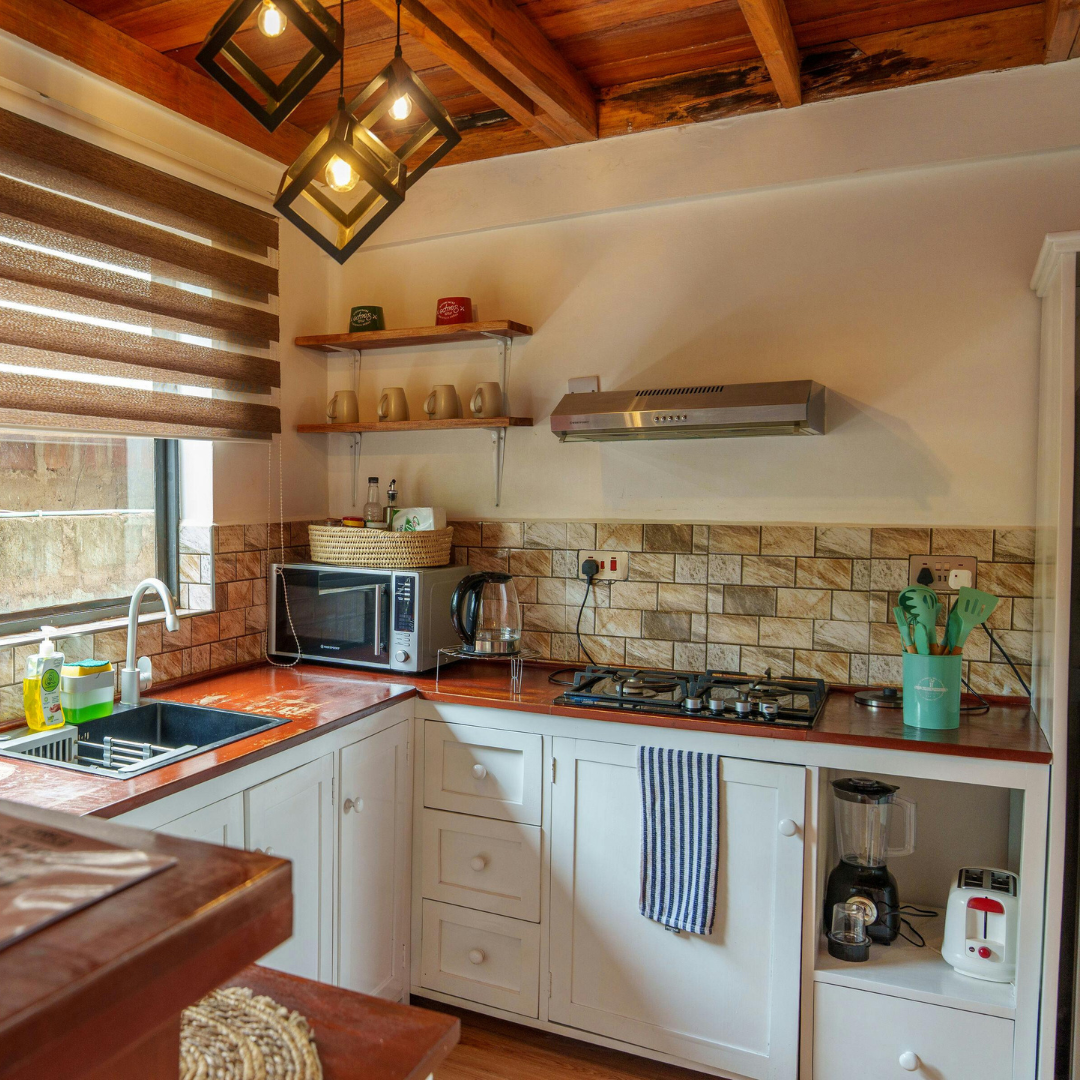
The cooking zone centres around the stove, oven, and microwave. It should include easy access to pots, pans, and cooking utensils.
Place frequently used items such as spatulas and spoons on hooks or in containers near the hob. Store spices, oils, and seasonings within arm’s reach but safely away from heat sources.
Keep the cutting board nearby, ideally in a pull-out drawer or countertop space next to the stove for quick chopping and transferring to pans.
Designing an Efficient Cleaning Zone
Position the sink centrally with clear access to dishcloths and dishwashing liquid. A drying rack should sit beside it, avoiding unnecessary movement of wet dishes across the kitchen.
Waste bins must be close for easy disposal of food scraps, ideally under the sink or just to the side. Store cleaning cloths and sponges in a ventilated area to prevent mildew.
Arrange dishwasher items efficiently to allow quick unloading and returning of utensils and cookware to their zones.
Optimising Food Storage Areas
Separate dry goods, refrigerated items, and fresh produce into distinct storage units. Use transparent containers for cereals and pulses to monitor stock levels easily.
Refrigerator contents should be organised by type and frequency of use, such as putting dairy items on top shelves and vegetables in drawers.
Pantry shelves benefit from adjustable heights to fit various jar and packet sizes. Label shelves or containers clearly for quicker identification of ingredients.
Organising Countertops and Work Surfaces
Clear, uncluttered counters provide space for preparation. Keep only essential items like a cutting board and a knife block accessible.
Use wall-mounted racks or magnetic strips to free surface space while still keeping knives and frequently used tools visible.
Allocate specific sections of the countertop for different tasks. For example, one area near the fridge for arranging groceries, another next to the sink for washing vegetables. This separation helps prevent cross-contamination.